





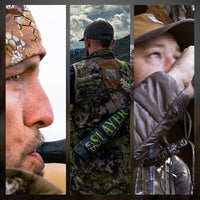
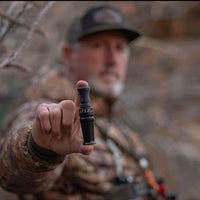

As turkey season approaches, every hunter starts dialing in the same question: What gear actually needs to be in your vest?
There’s a fine balance between being prepared and carrying too much into the woods. The goal is simple — stay mobile, stay quiet, and have the right tools when a gobbler shows up.
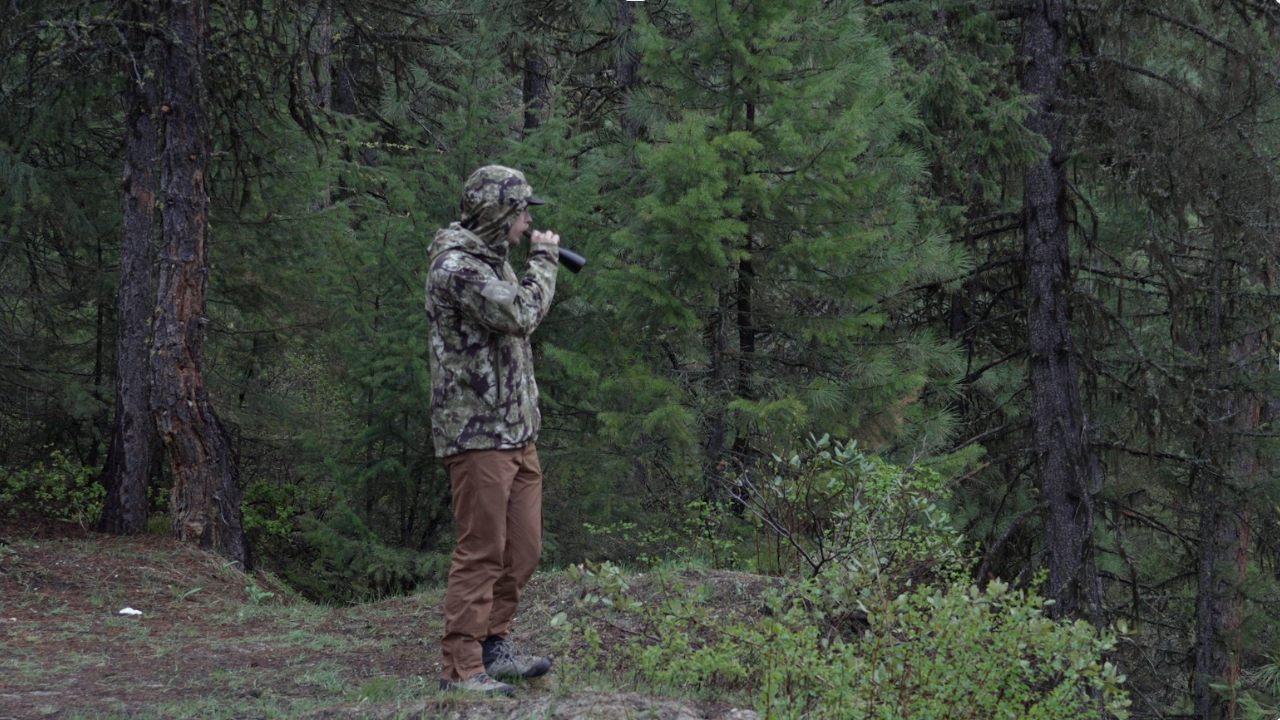
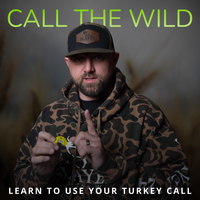
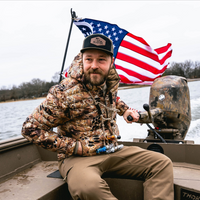
In our newest video, Slayer's Matt Carey walks through a full turkey vest dump, showing exactly what goes into a spring turkey setup — from calls and locator tools to the small pieces of gear that make a big difference when a bird is working your setup.
Watch the full breakdown here:
The Philosophy: Pack Light, But Be Ready
Turkey hunting is often a game of mobility.
You might sit for hours on one bird, then hike ridges chasing gobbles the rest of the morning. That’s why a good vest setup focuses on:
- Fast access to calls
- Minimal noise
- Comfort during long sits
- Just enough gear to stay prepared
The vest featured in the video offers plenty of organization without becoming bulky — allowing hunters to move quickly while still carrying everything needed for a successful hunt.
Turkey Calls: The Core of the Setup
Calls are the most important part of any turkey vest. In this setup, the vest keeps several types of calls organized and ready:
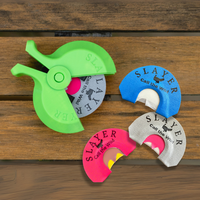
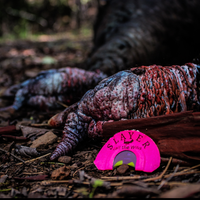
Pot Calls
- Turkey pot calls stored in dedicated quiet pockets
- Extra strikers for different tones and surfaces
- Quick access for soft yelps, clucks, and purrs
Box Calls
- Stored in a tight pocket designed to prevent movement and noise
- Perfect for reaching out and striking distant gobblers
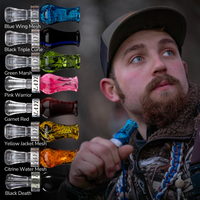
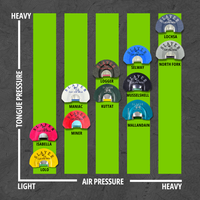
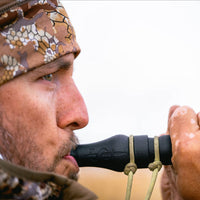
Turkey Mouth Calls
- Multiple turkey mouth calls kept in easy-access reed holder
- Extras stored in shoulder pockets for quick swaps
Having multiple call styles allows a hunter to adjust sound and tone depending on how a gobbler responds.

Locator Calls to Find Gobblers
Locator calls help hunters strike birds and get them to reveal their location.
In this setup, locator options include:
- Crow call
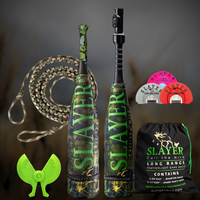
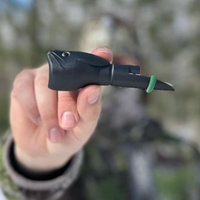
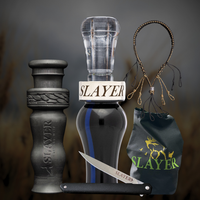
- Goose call — the Honker Slayer goose call is a surprisingly effective locator call. The sharp, loud honk can trigger shock gobbles, especially when hunting near rivers, lakes, or agricultural areas where geese are common.
- Owl-style locating sounds
Sometimes an unexpected sound — like a goose call — will shock a gobbler into responding when other locator calls fail.
Essential Turkey Hunting Gear in the Vest
Beyond calls, several small pieces of gear can make a big difference in the field.
- Turkey Ammo - Matt's set up features a hybrid load combining lead and tungsten for strong performance while keeping cost reasonable.
- Knee Rest for the Shot - A knee rest allows a hunter to rest the shotgun steadily while calling hands-free — especially helpful when waiting on a bird to close distance.
- Pot Call Conditioning Tools - Sandpaper and conditioning pads help keep pot calls sounding sharp throughout the hunt.
- Hearing Protection - Lightweight silicone ear plugs protect hearing while still allowing hunters to stay aware of the woods.
- Thermacell - For early season hunts when mosquitoes are active.
Back Vest Storage: The “Just in Case” Gear
The rear pockets of the vest carry items used less frequently but still important:
- Headlamp
- Hydration bladder
- Field wipes
- Extra mouth calls
- Thermacell refills
- Paracord for carrying harvested birds
- Measuring tape for beard and spurs
- Scale for bird weight
These items stay out of the way but are ready when needed.
Chest Rig Setup for Running and Gunning
In addition to the vest, the setup includes a chest rig system used for lighter hunts or mobile setups.
The chest rig carries:
- Binoculars
- Rangefinder
- Extra shells
- Strikers
- Locator calls
- Pot calls
One key piece of gear here is the rangefinder. Ranging a few trees before calling lets a hunter know exactly when a gobbler is within effective shotgun range — eliminating hesitation when the moment of truth arrives.
One Goal: Stay Quiet and Stay Ready
Every piece of gear in a turkey vest should serve a purpose. The ideal setup allows a hunter to:
- Call naturally
- Move quietly
- Sit comfortably
- React quickly when a gobbler commits
No vest setup is perfect, and every hunter develops their own system over time. That’s part of the fun of turkey hunting — constantly refining the way you hunt the woods.
Watch the Full Turkey Vest Dump
FAQs
What is the most important turkey hunting gear?
Turkey calls, locator calls, and a well-organized vest are the most important tools for locating and working gobblers.
How many turkey calls should you carry?
Most hunters carry multiple calls including diaphragm calls, a pot call, and a box call so they can change tone and volume depending on the situation.
What is the best locator call for turkeys?
Crow calls, owl calls, and goose calls are commonly used to shock gobblers into responding.